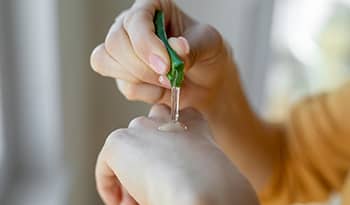
While you have surely heard the term ‘detox bath,’ have you ever wondered what it means? Can you really cleanse your body of unhealthy toxins this way? What other benefits do these infused baths offer? If you are feeling curious, prepare to become a detox bath expert.
What Is a Detox Bath?
While “detox bath” may sound like a trendy wellness buzzword, the concept is rooted in tradition and physiology. At its core, a detox bath is a warm soak infused with therapeutic ingredients believed to support your body’s natural cleansing processes. These baths aren’t about “flushing toxins” in the mystical sense, but rather enhancing your body’s own ability to eliminate waste and recover from daily stressors—both environmental and internal.
A detox bath is typically crafted with a blend of salts, minerals, clays, or botanicals. Each element is selected for its ability to either draw out impurities, comfort tired muscles, soothe the skin, or replenish depleted nutrients. The warmth of the water opens pores and promotes sweating, allowing beneficial ingredients to be absorbed while helping to release what your body no longer needs.
Whether your goal is clearer skin, muscle relief, or simply a sense of grounding and calm, a detox bath offers a deeply restorative ritual—one that supports both physical well-being and emotional balance.
How Can a Treated Bath Help You ‘Detox’ Naturally?
Detoxification refers to our bodies’ ability to dismantle and dispose of harmful elements. This is a natural process, with your heroic liver getting star billing as it does the heavy lifting when it comes to converting toxins into less harmful substances and removing them from the bloodstream.
Once the liver ‘neutralizes’ toxic substances, they are eliminated from the body through sweat, urine, or stool. This helps to explain the efficacy of heated treatments that facilitate the natural process of sweating, as the skin is our largest organ of elimination. The intense sweating process has been scientifically shown to aid in the elimination of everyday impurities and metabolic waste.
Why Might We Need Help Clearing out Impurities?
As noted by the National Association for Holistic Aromatherapy, human bodies are designed to process toxins that are naturally occurring, but since the 20th century, we have been increasingly bombarded with new toxins from denatured foods and drinks, pharmaceuticals, alcohol, pesticides, herbicides, petroleum by-products, tobacco products, air and water pollutants, and more. These elements can present an overwhelming challenge to your vital organs of detoxification.
How Can a Therapeutic Bath Promote Detoxification?
The human body has its own efficient detoxification system, primarily managed by the liver and kidneys. It may be more accurate to think of a hot soak with therapeutic ingredients as a post-detox therapy. In other words, after toxins are released from fatty tissues, the treated bath may facilitate their removal from the body through the pores.
What Detox Bath Ingredients Are Most Effective?
The pores in human skin―our largest organ of elimination―serve a dual function: they can release certain toxins through sweat while also absorbing small molecules through the dermal layer. Certain ingredients have been shown, both scientifically and traditionally, to aid the process and deliver measurable benefits. For example:
Epsom salts
Epsom salts play a starring role in detox/therapy baths. While a hot soak can help remove toxin-containing sweat from the surface of the skin, the magnesium and sulfate in Epsom salts further stimulate this detoxification pathway, extracting impurities along with the salt while allowing small amounts of sulfur and magnesium ions to be absorbed into the skin. Learn more here about Epsom salt bath benefits.
Baking soda
Baking soda, or sodium bicarbonate, has long been used in baths to cleanse and ease itching, irritation, or infections. A detox bath fortified with baking soda may benefit a range of conditions, such as:
- Eczema
- Psoriasis
- Yeast and other fungal infections
- Diaper rash
- Urinary tract infections (UTIs)
Apple cider vinegar
Raw apple cider vinegar is a therapeutic bath ingredient that may ease skin infections and soothe irritation by helping to restore the natural pH balance of your skin, supporting moisture retention, and protecting against dermal irritants, such as:
- Chemical fragrances found in perfumes, lotions, and soaps.
- Cosmetic ingredients, such as preservatives, dyes, and fragrances.
- Mass-market soaps and detergents.
- Hair dyes, perms, and certain shampoos and conditioners, which may include harsh chemicals like ammonia, sulfates, or preservatives.
- Strong acids and bases in mass-market cleaning products for kitchen, bathroom, flooring, and other parts of your home.
- Solvents and other chemicals in paints, varnishes, and other products.
- Acetone in nail polish removers.
- Hand sanitizers.
- Plants such as poison oak, poison ivy, etc.
Bentonite clay
Naturally formed from volcanic ash, bentonite clay is renowned for its detoxifying properties. Proponents believe that the clay’s unique negative charge allows it to attract and bind to positively charged toxins and impurities, drawing them out of the body through the skin.
One medical study, Bentonite Clay: A Potential Natural Sanitizer for Preventing Neurological Disorders, suggests that this unique clay has natural cleansing properties and may help soothe irritated skin, absorb excess oil, support acne healing, and minimize the appearance of pores. Additionally, bentonite clay is so effective in protecting against viruses that it is used as a strict infection control tool in hospital settings.
For your detox bath, start with a small scoop of the powdered clay, add enough water to make a paste, blend with a rubber spatula, and add the clay mixture to the bathwater. Take an extra rinse at the end if needed to remove any clay residue.
Essential oils
According to their pharmacological profile, certain essential oils offer antimicrobial, anti-inflammatory, antitumor, and antioxidant activities, among other benefits. Dilute them in a small amount of jojoba or sesame oil prior to use in the bath. Beautifully effective options for therapy/detox baths include:
- Lavender: This natural healing celebrity is the perfect addition to your treated bath. Research suggests that lavender may help reduce stress and anxiety, promote restful sleep, soothe sore muscles, and more with its antibacterial, antifungal, carminative (smooth muscle relaxing), sedative, and antidepressant properties.
- Peppermint: Though a little goes a long way, peppermint oil adds immeasurably to bath therapy, offering a refreshing, cooling, tingling sensation. This oil has also been shown scientifically to have anti-inflammatory, antibacterial, antiviral, immune system supporting, antitumor, neuroprotective, antifatigue, and antioxidant activities.
- Eucalyptus: Highly beneficial in deep therapy baths, eucalyptus oil has antibacterial, antifungal, and antimicrobial properties. Additionally, its refreshing, medicinal aroma can help clear sinuses and promote easier breathing.
- Wintergreen: The active ingredient in wintergreen oil, methyl salicylate, is closely related to aspirin and has pain-reducing and anti-inflammatory properties. Wintergreen oil has also been shown traditionally as well as scientifically to help ameliorate bacterial infections, colds and headaches, skin conditions, and more.
- Tea Tree: Known for its antibacterial, antiviral, antifungal, and anti-inflammatory properties, tea tree oil may help reduce inflammation and soothe skin irritations. One study found potent antimicrobial activity from the volatile constituents of several essential oils, including rosemary, tea tree, and lavender.
- Camphor oil: This oil is highly valued in traditional practices like Ayurveda and Traditional Chinese Medicine for its therapeutic benefits. While primarily known for its respiratory and pain-relieving properties, certain components within camphor oil, like limonene, also factor into its detoxifying potential.
Given the myriad benefits of treated bath therapy, this may become your favorite self-care tool. Light a fragrant natural candle, pipe in some soothing music or a guided meditation, and enjoy.
References:
- Crinnion WJ. Sauna as a valuable clinical tool for cardiovascular, autoimmune, toxicant- induced and other chronic health problems. Altern Med Rev. 2011 Sep;16(3):215-25. PMID: 21951023.
- Detoxifying with Essential Oils | NAHA. Naha.org. Published 2015. https://naha.org/naha-blog/detoxifying-with-essential-oils/
- Cavanagh HM, Wilkinson JM. Biological activities of lavender essential oil. Phytother Res. 2002 Jun;16(4):301-8. doi: 10.1002/ptr.1103. PMID: 12112282.
- Zhao H, Ren S, Yang H, Tang S, Guo C, Liu M, Tao Q, Ming T, Xu H. Peppermint essential oil: its phytochemistry, biological activity, pharmacological effect and application. Biomed Pharmacother. 2022 Oct;154:113559. doi: 10.1016/j.biopha.2022.113559. Epub 2022 Aug 19. PMID: 35994817.
- Michel P, Olszewska MA. Phytochemistry and Biological Profile of Gaultheria procumbens L. and Wintergreen Essential Oil: From Traditional Application to Molecular Mechanisms and Therapeutic Targets. Int J Mol Sci. 2024 Jan 1;25(1):565. doi: 10.3390/ijms25010565. PMID: 38203735; PMCID: PMC10778675.
- Abers M, Schroeder S, Goelz L, Sulser A, St Rose T, Puchalski K, Langland J. Antimicrobial activity of the volatile substances from essential oils. BMC Complement Med Ther. 2021 Apr 17;21(1):124. doi: 10.1186/s12906-021-03285-3. PMID: 33865375; PMCID: PMC8053297.
DISCLAIMER:
These statements have not been approved by the Food and Drug Administration. These products are not intended to diagnose, treat, cure, or prevent disease.























































 Table of Contents